As a clinical psychologist, I have spent more than a decade helping young adults navigate the transitions and challenges of early adulthood. Much of my career has been dedicated to working as a staff psychologist in university mental health settings, where I developed a passion for—and expertise in—supporting people through this pivotal phase of life.
The challenges of early adulthood—like figuring out who you are, building meaningful relationships, and committing to career or life goals—can feel overwhelming. However, when you actively face these moments, they also provide incredible opportunities for growth. If you are struggling with anxiety, depression, low self-esteem, or relationship issues, I view these not as permanent flaws, but as natural responses to a complex time in your life. This developmental lens is at the heart of how I practice.
Real growth requires a rare kind of safety—the kind where you can finally take off the mask. We start by establishing a partnership founded upon mutual trust and respect, ensuring you feel secure and confident in actively co-authoring the map of where our sessions will take you. Our goal is to uncover insights into the hidden patterns or blind spots that might be blocking you in your relationships, career, academics, or creative passions.
While it is essential to explore how your past influences your present dynamics, I also know that therapy must be tailored entirely to you. Insight is powerful, but it is most effective when it leads to tangible shifts. Together, we will translate your self-awareness into real, action-oriented change. This often includes setting achievable, practical goals between our sessions to help you build steady forward momentum in the areas of your life that matter to you most.
-------------------------------------------------------------
Dr. Molland completed his doctoral degree in clinical psychology at The University of Denver Graduate School of Professional Psychology. He received his B.A. from Northwestern University in 2000 and his M.A. in International Disaster Psychology from The University of Denver in 2007.
Dr. Molland has worked in university mental health for more than a decade, most recently as the director of clinical services at The University of San Francisco Counseling and Psychological Services Center. Prior to his work with USF CAPS, Dr. Molland was a staff psychologist at Yale University Mental Health and Counseling, where he also completed his post-doctoral training. Dr. Molland has worked in a number of clinical settings, including Kaiser Permanente Behavioral Health, the New Zealand Forensic Psychiatry Service, and the VA hospital system. Dr. Molland has also acted as consultant and trainer on a number of international mental health projects including initiatives in Eastern Europe, West Africa, and Southeast Asia.
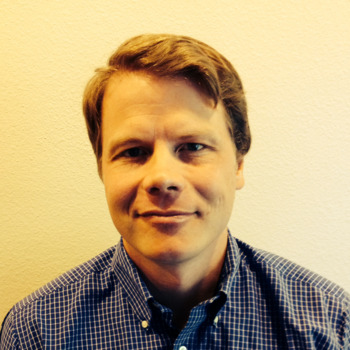
Ben Molland, Psy.D.
Clinical Psychologist
